
Mortal Shell II Character Creation
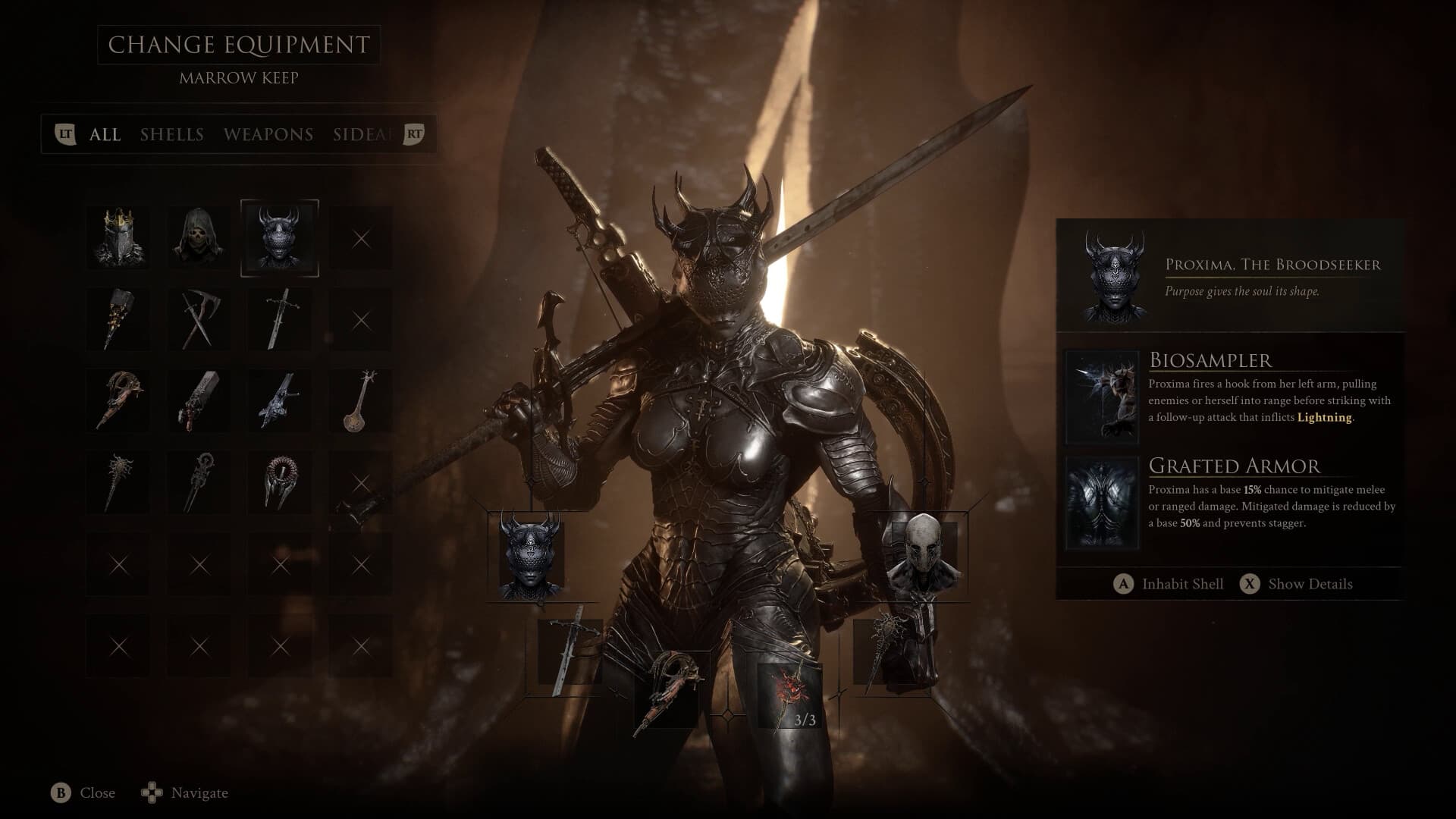
Mortal Shell II does not use a traditional character creator for face, body, or starting class. You play the Harbinger and inhabit fallen warriors called Shells. Unlocking and switching Shells is the game’s class-like choice because each body brings its own stats, abilities, mechanics, and combat style.
What you choose instead of a created character
The official game concept centers on possessing distinct warriors rather than designing one avatar. Shells are authored characters found through exploration and progression. Their identity and abilities are part of the world, so the choice is which Shell to inhabit and develop.
This means there is no researched evidence for sliders, custom faces, body presets, or a free-form starting class screen. Guides should not pad the answer with character-creator features borrowed from other RPGs.
Shells as the class system
The collected Shells guide explicitly describes them as the class-based system. A Shell changes attributes, active ability, passives, and the defensive or offensive rhythm it rewards. The best choice therefore depends on how you want to survive and create attack windows.
Some kits reward dodging, others parrying, status effects, summons, heavy pressure, or resource loops. A tier list can describe one author’s priorities, but it cannot replace matching a Shell to your preferred controls and weapon.
The eight long-term Shells
The sourced roster lists Eredrim the Venerable, Genessa the Wayward, Gragu the Insatiable, Lazlo the Justiciar, Proxima the Broodseeker, Sariel the Endless, Smert the Apostate, and Tiel the Acolyte. These are the main Shell choices discussed for the campaign.
Harros appears in the opening but the collected guide warns that he is not retained for the rest of the game. That is why some sources mention nine playable bodies while long-term collection objectives refer to eight. The distinction is progression context, not a ninth permanent slot.
How Shells are unlocked
Players discover Shell remains in specific locations and interact with their stories or unlock conditions. Once a Shell is claimed, the guide describes it as permanently available to the Harbinger. Exact routes belong in individual location pages because several involve encounters or items.
Do not rely on the unresolved Game8 source for an exact route or number. Use release-build guides and the in-game map state when following a location. Patches can also change map costs or route guidance.
Switching Shells
The collected research says unlocked Shells can be equipped through the Shell Keeper in the central hub or through Beacons. That gives players room to change approach instead of restarting the entire game for every class experiment.
Before investing deeply, use a newly claimed Shell in ordinary encounters. Test its basic defense, active ability, resource needs, and compatibility with your current weapon. A strong endgame build may feel poor before its defining upgrades are available.
Bond and progression
Shell progression uses a bond system with tiered upgrades. Spending the relevant progression currency at the Shell Keeper develops stats and abilities. The important planning point is that upgrades strengthen the Shell’s existing identity rather than transforming it into an unrelated class.
Achievement sources connect full bonding and Shell memories with completion goals. Players pursuing every achievement should read the trophy page before committing limited resources, because some objectives span multiple Shells and possibly additional playthrough progress.
Weapons are a separate choice
Primary weapons are usable across Shells according to the collected weapon guide. Your class-like body choice and equipment choice therefore combine into a build. A Shell may create synergy with lightning, poison, parry, stagger, or another mechanic without owning a single canonical weapon.
For example, a sourced community build pairs Proxima with the Triarch Repeater, but that does not make it her only legal or lore-canonical weapon. Treat build pages as tested combinations and preserve room for experimentation.
Choosing your first long-term Shell
Start with defense: decide whether you naturally dodge, parry, Harden through attacks, or prefer a more forgiving health pattern. Then test the active ability and ask whether you can generate and spend its resource comfortably. Finally, compare it with the weapon moveset you enjoy.
Do not spend based only on a ranking created for boss speed or a fully upgraded build. Early availability, learning curve, and fun matter. The right Shell is the one whose intended loop you can execute consistently.
Appearance and skins
The collected character-system sources explain authored Shell bodies, not free-form appearance editing. A skin or visual variant, where separately documented in the game, should not be described as character creation because it does not replace the Shell’s identity, stats, or abilities.
Players searching for face presets or body sliders need the direct “no traditional creator” answer first. Linking them into a long Shell list without saying that would fail the search intent.
When to switch rather than restart
If a Shell’s defense or ability loop feels wrong, return to the hub or a Beacon and test another unlocked body before abandoning the save. Because claimed Shells remain available in the researched system, experimentation belongs inside the same progression structure.
Restarting may still be a personal choice, but it is not the normal way to access every class. Preserve upgrade resources until you know which loop you want to develop deeply.
Shell-choice checklist
- Preferred defense: dodge, parry, Harden timing, or durability.
- Active ability: useful in the situations that stop you.
- Resource loop: Resolve and other requirements feel sustainable.
- Weapon fit: primary and sidearm create safe follow-ups.
- Upgrade path: early abilities already support the intended identity.
- Availability: the route is realistic for your current progression.
Use a ranking only after setting these priorities. Two authors can rank the same Shell differently because they value boss control, exploration safety, ease of use, or fully upgraded power differently.
Sources
Last updated: